
CONSERVE HELIUM
An Essential Resource for All Generations
SCIENCE · HISTORY · STEWARDSHIP
Conservation and the Balloon Legacy
Honor what helium has made possible. Preserve more of it for what humanity has yet to discover.
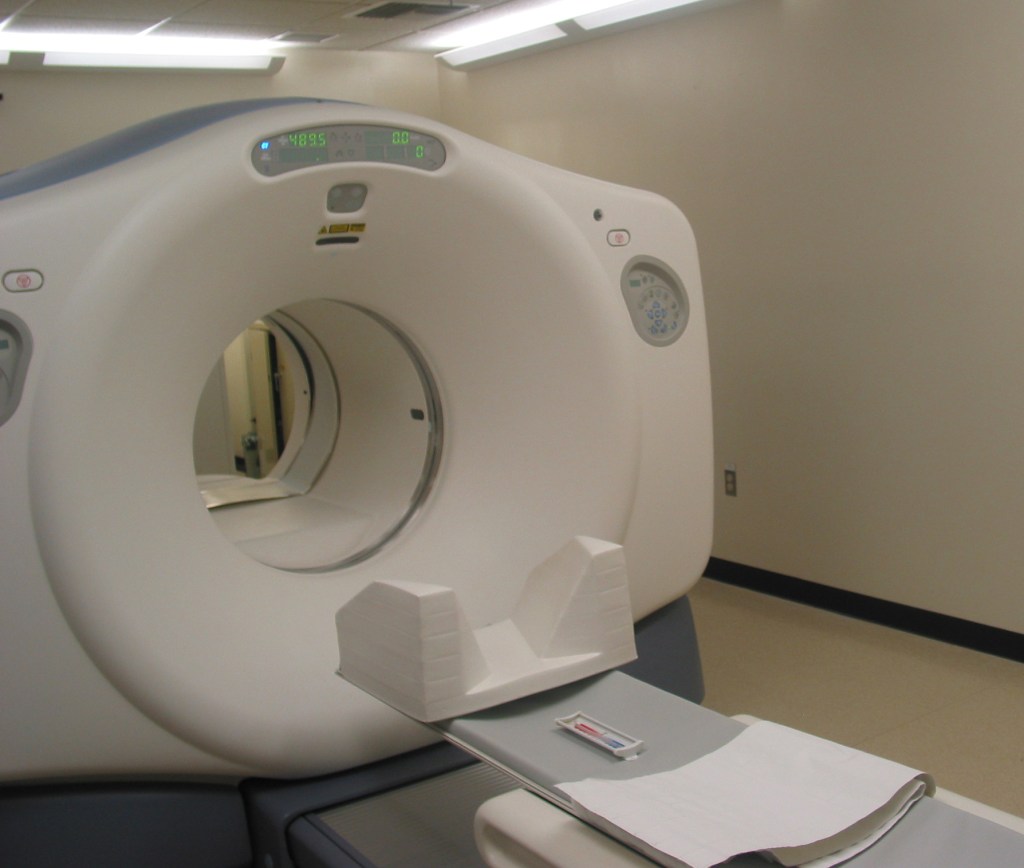
MRI scanner. General application image; no particular magnet specification is implied. NIH / NIBIB.
On this page · Let the helium-filled party balloon become a memory · Make institutional conservation measurable · Purchase for the full life of the equipment · Conserve at the source · A practical commitment
Practical conservation guides
A Helium Recovery Handbook · When Can Another Gas Do the Job?
Put conservation into practice: Download four fillable conservation worksheets for inventory, gas streams, supplier questions and purchasing.
Let the helium-filled party balloon become a memory
Conserve Helium advocates retiring helium-filled party balloons. We can celebrate birthdays, achievements and community events with reusable decorations and celebrations that do not consume helium.
This is a voluntary conservation position. USGS’s “lifting gas” category includes more than party balloons and cannot be used as a balloon-only consumption total.
Sources: USGS [S02]
Honor the childhood wonder of a balloon tugging upward, then explore new traditions and the facts behind balloon-grade helium.
Make institutional conservation measurable
Record purchases, operating inventories, servicing losses and recovered quantities. A closed system may hold substantial helium while requiring relatively little replacement gas; an open process presents a different challenge.
The APS, ACS and MRS report on the research community’s liquid-helium crisis discusses conservation and recycling. Local decisions should examine technical feasibility and the full cost of collection, purification and reuse.
Sources: APS / ACS / MRS [S27] · CERN [S17]
Boulder: recover the helium after its work is done
CU Boulder’s Physics Department captures helium used in Physics, JILA and LASP and returns it for liquefaction. The university’s account describes less helium lost and lower research costs. This provides a local example of conservation infrastructure supporting scientific work.
Evidence: CU Green Labs Awards 2022, page 1 [S60] · CU Boulder recovery account [S61].
Read Keeping Time, Keeping Helium for the documented use of liquid helium in NIST’s mercury-ion clock and the capture, purification, liquefaction and reuse cycle.
Questions for a laboratory’s conservation review
- Define the boundary: which instruments feed the recovery system, and which still vent gas?
- Count losses as well as purchases: include transfers, servicing and equipment retirement.
- Compare quantities consistently: identify liquid liters or gas volume, and state the temperature and pressure used for gas measurements.
- Report the full result: identify the period measured, recovered quantity, replacement helium, electricity use and operating cost.
These are Conserve Helium’s recommended review questions. The Boulder sources do not provide a measured recovery percentage; a plant’s production capacity alone does not establish how much helium it prevents from escaping.
For semiconductor facilities, conservation begins with the process-gas flow: distinguish protective atmospheres, cooling gas, planned exhaust and unintended leakage. Our silicon guide explains where helium’s thermal properties matter and where other gases perform different jobs.
Purchase for the full life of the equipment
Ask suppliers about normal consumption, servicing, recovery arrangements and retirement. Compare systems on the same basis. A smaller sealed inventory can reduce dependence on routine refills, while the equipment still contains helium.
Philips’s seven-liter BlueSeal example illustrates this distinction. Manufacturer specifications should be checked for the exact model under consideration.
Sources: Philips [S45]
Our MRI guide explains bath cooling, recondensation and sealed low-helium designs, with questions to distinguish a magnet’s inventory from its annual replacement needs.
Conserve at the source
Recovery and reuse are only part of the picture. The helium-bearing gas left underground, separated during processing or lost before reaching a customer also deserves attention. Resource assessments help frame that work, but do not by themselves quantify avoidable losses.
Sources: USGS [S14]
A practical commitment
Choose celebrations without helium-filled balloons. Ask institutions to measure helium losses and evaluate recovery. Support procurement and public policy that preserve future options.
Our aim is to turn appreciation into stewardship, with evidence strong enough to guide the next decision.

